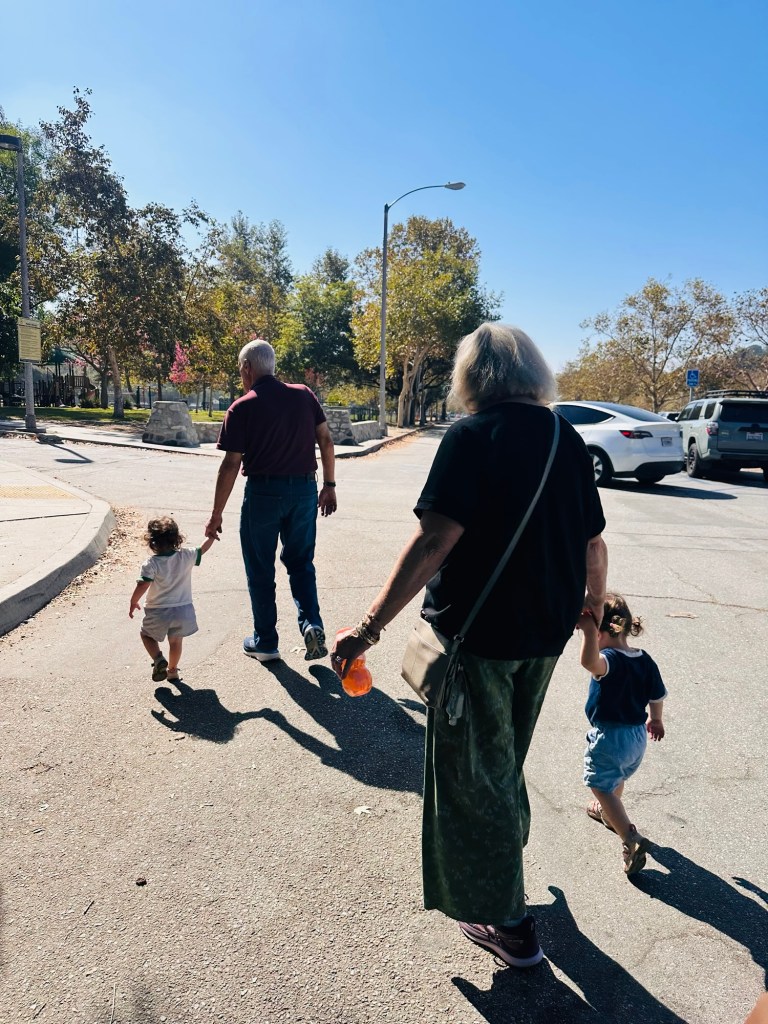
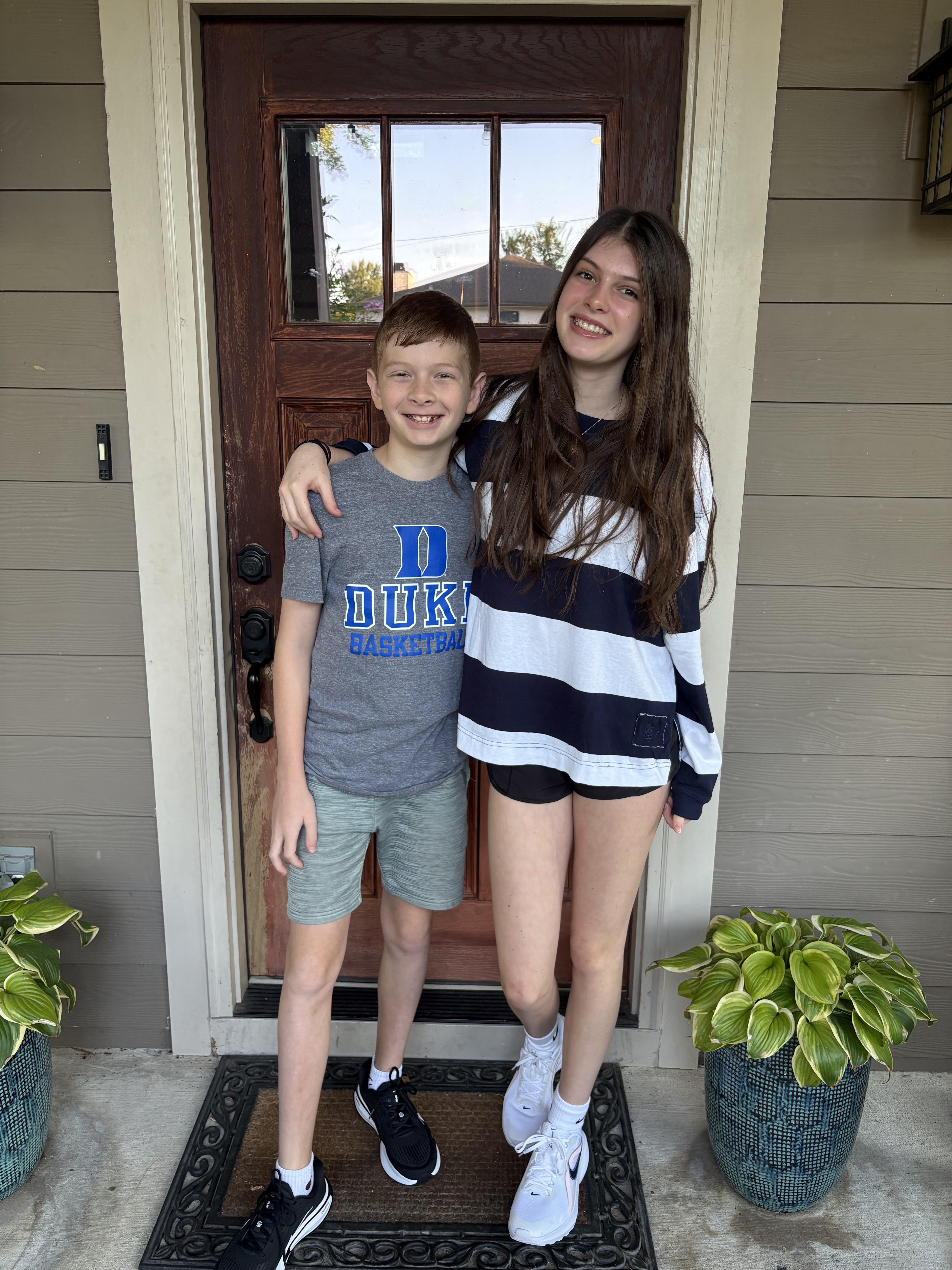
“What’s the most joyful sound in the world to you?” For me, it’s the sound of our twin granddaughters laughing. The girls were playing peek-a-boo with each other, running in and out of a tent. Children laughing is the most delightful sound!
I was reading an article about how to find more joy when you’re feeling hopeless. It’s important to keep our spirits up until the midterms and beyond. The author said she liked attending “quirky community events,” like this parallel parking competition in Philadelphia. She said experiencing other people experiencing joy is just as good – although she doesn’t know about my history with Bob sitting on the front porch in Germantown. He liked to sit in the rocking chair and critique every driver who tried to parallel park in front of our house next to the chocolate shop. It was less joyful commentary, more hilarious, biting sarcasm.
This isn’t exactly a community event – not like the Tomato Festival in East Nashville – but it IS a special thing I do, just for me, once or twice a week. And because we were traveling, and then of course I caught a cold, followed by my dermatologist scraping and freezing barnacles off my body, it had been about a month since I participated in the JCC’s water aerobic’s class. Well yesterday I jumped back in the pool and I can attest that it is a joyful experience! And I think our group of mostly old ladies like me is kinda quirky. We walk around the women’s locker room in the altogether and don’t give two hoots what our bodies look like, which is a relief after decades of feeling judged.
“Can you recall something that gave you joy?” Surprisingly, the smell of cabbage brings me joy, but not just any cabbage. Nell didn’t really cook, but when she did she’d make Halupki (hah-loop-keys)! This is stuffed cabbage cooked in sauerkraut! I have some leftover rice, maybe I’ll make Halupkies tonight?
“These really small moments don’t have to fix everything to matter. You can even go on a “search for joy,” Dr. McGonigal said, at a specific location that has potential for uplift, such as a park or a library. Then let your attention wander, she said, and seek something that gives you a burst of delight.” https://www.nytimes.com/2026/10/09/well/find-joy.html
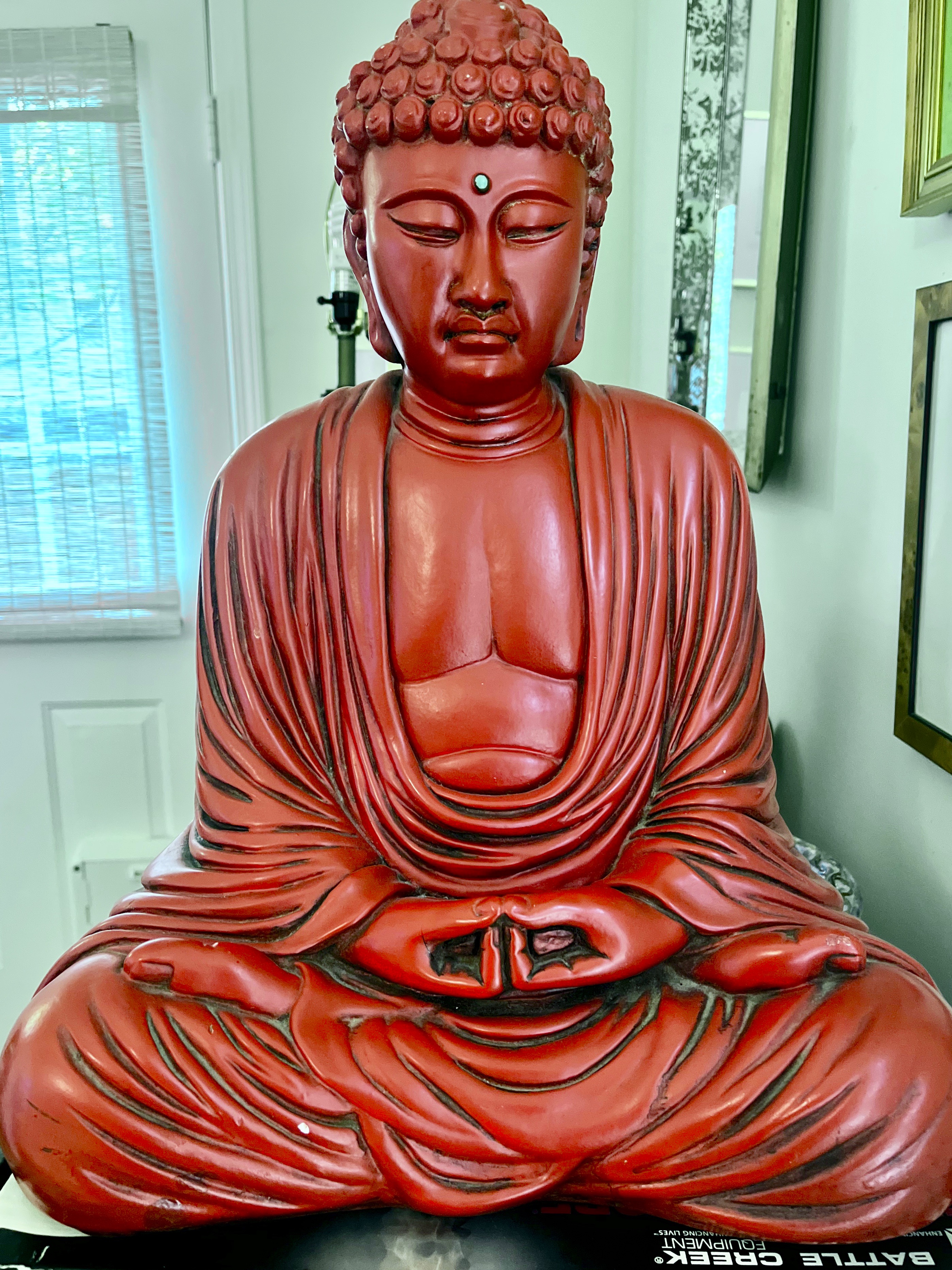
Every now and then I like to stroll around Nashville’s antique emporium. It’s a huge warehouse with two floors of dealers in fine and not so fine furniture and tchotchkes. You never know what you’ll find around a corner in this 50,000 sq ft space and it’s easy to get lost among the many “… Primitive, Victorian, Art Nouveau, Art Deco, Mid-Century Modern (MCM), Hollywood Regency, Architectural Salvage, Historical Pieces, and Man Cave décor” one of a kind finds! I guess it’s as close as I’ll come to a Paris Flea Market. https://www.gaslampantiques.com/
And in a joyful bit of serendipity, my brother Eric and I were both interviewed (separately) last week – I was on Nashville’s Public Radio and he was on Substack! On the way to Nashville, he and his wife Bev were interviewed on the Mall in DC by Matt Berg from Substack’s “Crooked Media: If you recall, Eric flew a Huey, a med-evac helicopter in Vietnam. He said, “I’m a veteran, not a sucker and loser.”
- The man, named Eric, explained that he’s a decorated combat veteran who spent a year and a half in Vietnam. He had just finished visiting the Vietnam Memorial, where his crew chief and fellow medic are honored. He gazed at the Reflecting Pool with disgust.
- “It’s an atrocity,” said Eric, who’s visiting from St. Louis, Missouri. “It’s another example of him trying to put his mark on something to make himself feel bigger and better than everyone else.” https://substack.com/@crookedmedia?utm_source=top_search
And how did I get on NPR? Easy, Bob and I were one of the first people to vote EARLY in our district. Early voting numbers are streaming in and that’s a joyful noise to me. Don’t be fooled by right-wing propaganda, even though the Cybersecurity and Infrastructure Security Agency (CISA) has been gutted by the current administration, our state and local agencies have turned to ‘information-sharing networks and an ecosystem of nonprofits and paid consultants’ to fill the gap in a MacGyver-like safety net. That’s why ProPublica reported on some political appointees at the DHS trying to get CISA to hack a voting machine! Not on our watch! https://www.propublica.org/article/cisa-election-security-donald-trump
Enjoy the cooler temperatures everyone! And don’t fall for the blatant bribery coming out of the White House for your vote. Our democracy is not for sale.
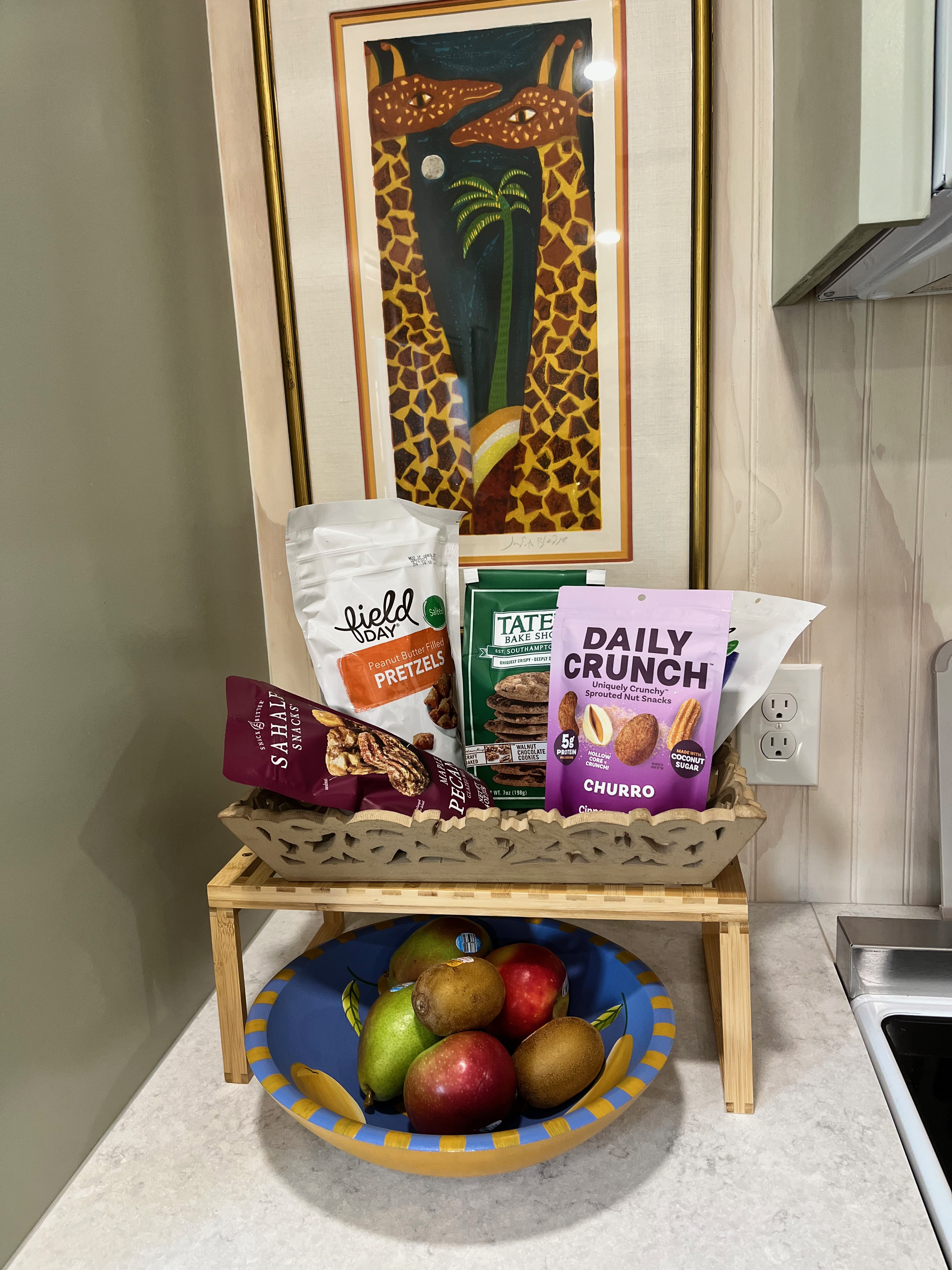
Found these twin giraffes for our casita at Gaslamp.